
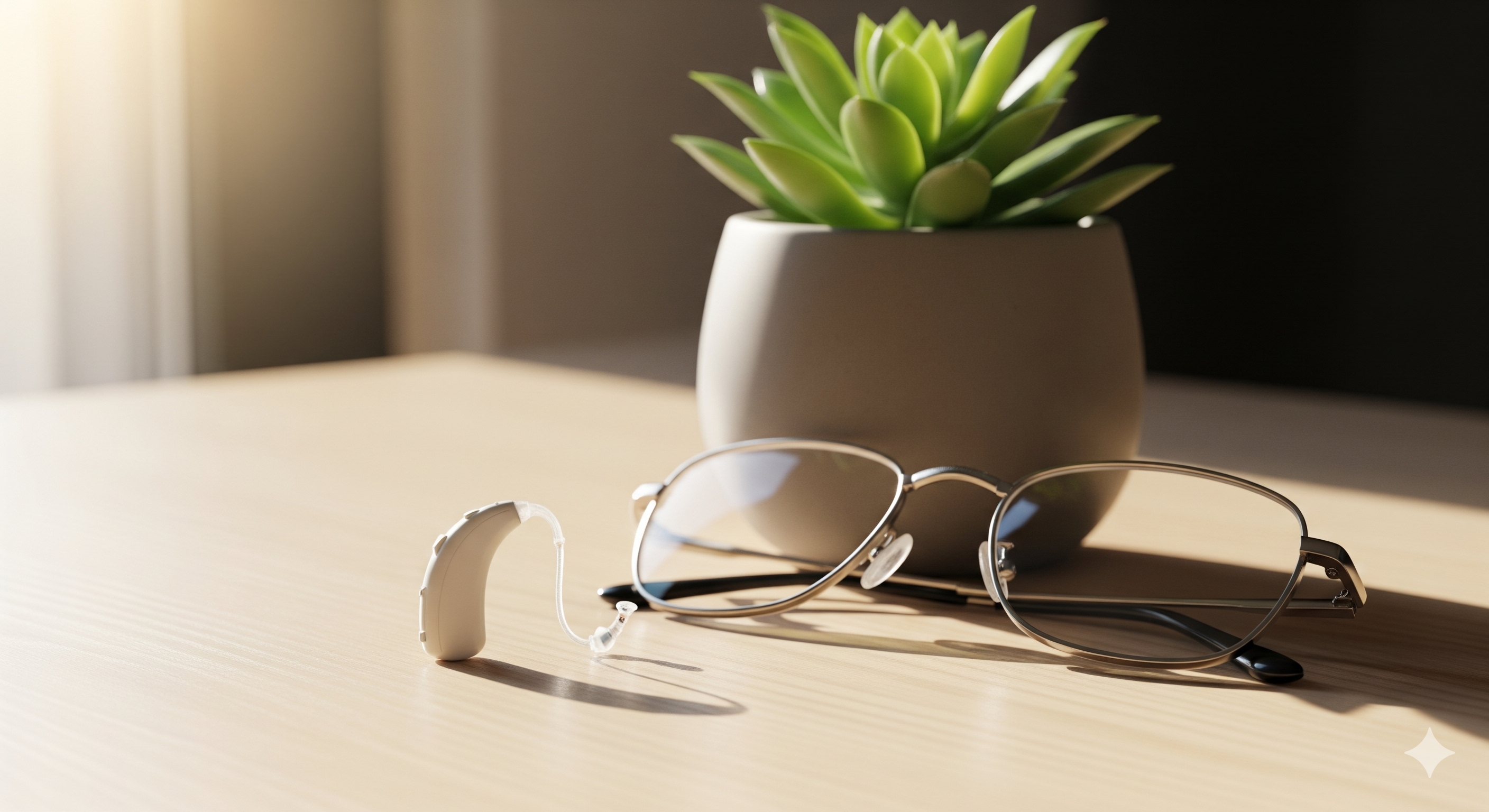
If you or a loved one are experiencing hearing loss, you aren't alone. Millions of people worldwide use hearing aids to reconnect with the world around them. However, with so much technology on the market, the world of audiology can feel overwhelming.
This blog post breaks down everything you need to know about modern hearing aids, from how they function to choosing the perfect fit for your lifestyle.
How Do Hearing Aids Actually Work?
At their core, hearing aids are sophisticated electronic devices. While they can't "cure" hearing loss or restore hearing to 100% natural levels, they are remarkably effective at amplifying sound and improving clarity.
Every hearing aid has four basic parts:
-
Microphone: Picks up sound from the environment.
-
Processor: Converts sound into digital signals and adjusts them based on your specific hearing loss (e.g., boosting high frequencies while suppressing background noise).
-
Speaker (Receiver): Sends the amplified sound into your ear.
Types of Hearing Aids
Choosing a style depends on the severity of your hearing loss, your manual dexterity, and your aesthetic preferences.
1. Behind-the-Ear (BTE)
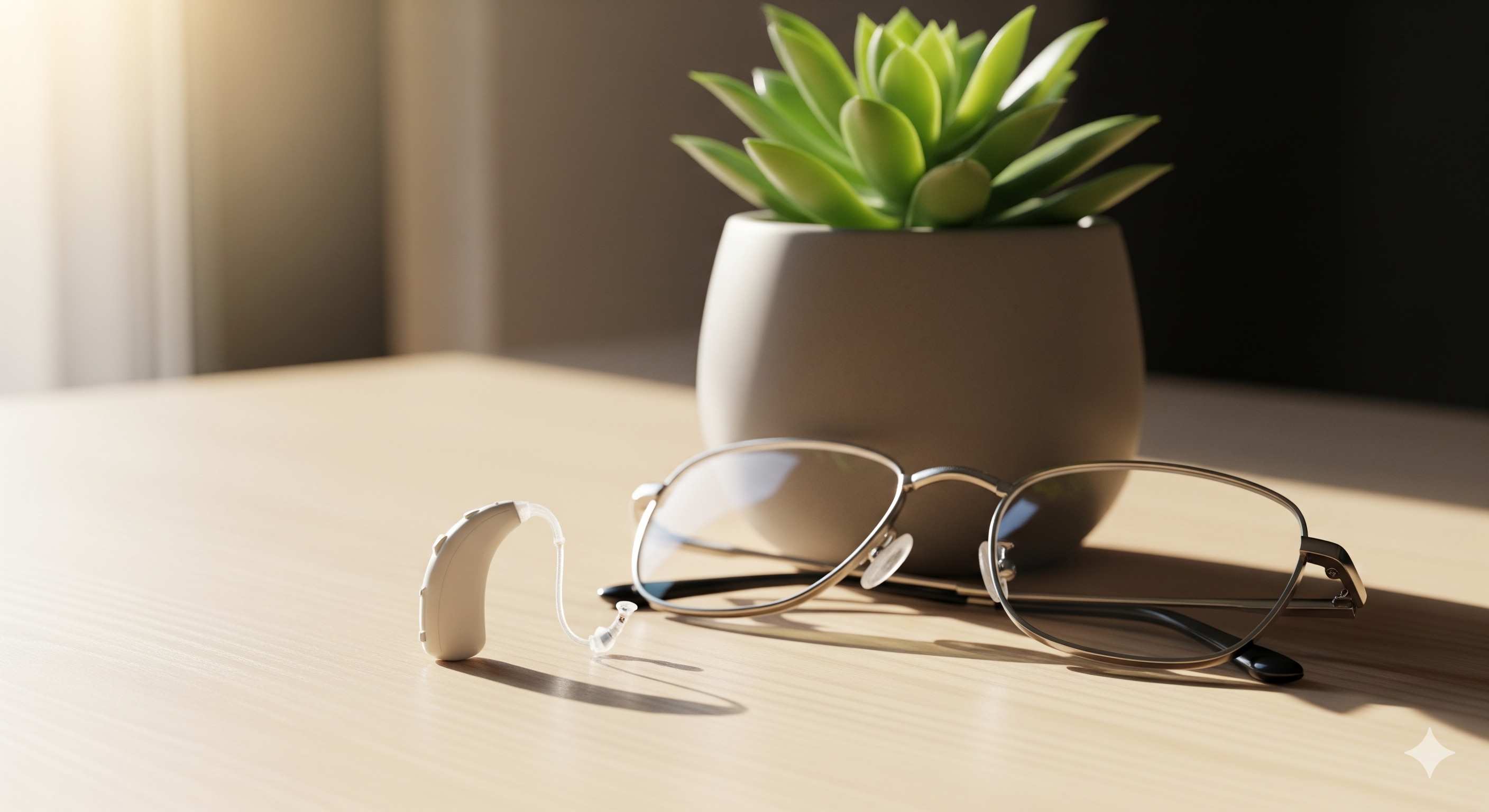
The most common style. The electronics sit in a case behind the ear, connected to an earmold or a tip inside the ear canal.
-
Best for: All ages and almost all types of hearing loss.
2. Receiver-in-Canal (RIC)
Similar to BTE, but the speaker sits inside the ear canal rather than in the housing behind the ear. This makes the device smaller and more discreet.
-
Best for: Mild to severe hearing loss; popular for its natural sound quality.
3. In-the-Ear (ITE) / In-the-Canal (ITC)
These are custom-molded to fit entirely inside your outer ear or ear canal.
-
Best for: Mild to severe hearing loss; great for people who wear glasses or masks frequently.
4. Completely-in-Canal (CIC) / Invisible-in-Canal (IIC)
The smallest options available. They sit deep in the canal and are virtually invisible to others.
-
Best for: Mild to moderate hearing loss; ideal for those prioritizing vanity and discretion.
Modern Features to Look For
Hearing aids have evolved far beyond simple volume knobs. Today’s devices are "smart" computers for your ears.
-
Bluetooth Connectivity: Stream phone calls, music, and TV audio directly to your hearing aids.
-
Rechargeability: No more fumbling with tiny silver-zinc batteries; most modern sets come with a charging case.
-
Directional Microphones: These focus on the person speaking in front of you while lowering the volume of noise behind you.
-
AI and Machine Learning: Some high-end models "learn" your environments and automatically adjust settings when you walk into a noisy restaurant or a quiet library.
3 Tips for First-Time Buyers
-
See an Audiologist: Don't just buy "sound amplifiers" off the shelf. A professional hearing test (audiogram) is essential to ensure the device is programmed for your specific needs.
-
Be Patient: Your brain needs time to "relearn" how to hear. It usually takes 2 to 4 weeks to fully adjust to the new sounds.
-
Check the Trial Period: Most reputable clinics offer a 30 to 60-day trial period. Use this time to test the devices in various environments (home, work, outdoors).
Conclusion
Hearing aids are an investment in your quality of life, your relationships, and even your cognitive health. By choosing the right technology and working with a professional, you can stay engaged in the conversations that matter most.
Ready to take the next step? Schedule a hearing consultation today and rediscover the sounds you've been missing!